




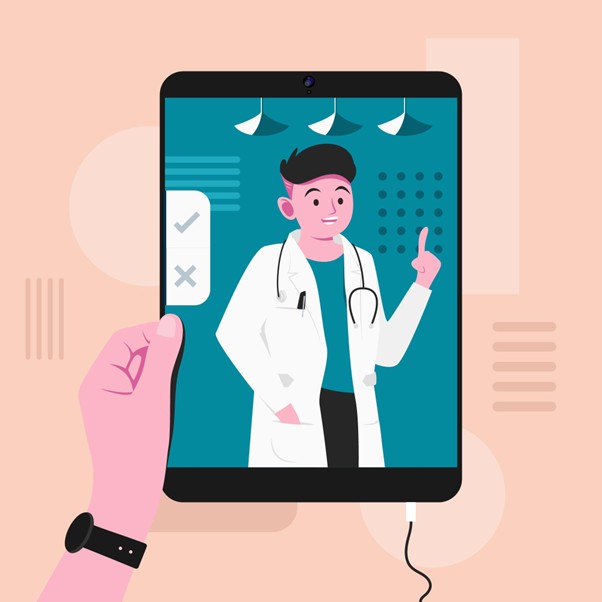
Endocrinology, a medical specialty focused on hormone-related conditions like diabetes, thyroid disorders, and osteoporosis, is increasingly embracing telemedicine to improve patient care. Telemedicine uses technology to provide medical services remotely, breaking down geographical barriers and making care more accessible. Let’s explore the benefits of telemedicine in endocrinology and discuss best practices for patients and providers.
Benefits of Telemedicine in Endocrinology
1. Convenience and Access: Telemedicine allows patients to consult with endocrinologists from the comfort of their homes. This is especially helpful for those living in rural or underserved areas where specialists might be limited.
2. Continuous Monitoring and Support: Chronic endocrine conditions like diabetes require ongoing monitoring. Telemedicine facilitates remote monitoring through apps and devices that track blood sugar, medication adherence, and other health metrics. This timely exchange Telemedicine serves as a valuable addition to traditional in-person healthcare rather than a substitute.
3. Cost-Effectiveness: Remote consultations often reduce costs related to travel, missed work, and hospital visits. According to the Centers for Disease Control and Prevention (CDC), effective telehealth interventions can minimize hospital admissions and emergency visits in chronic disease management[1].
4. Enhanced Patient Engagement: Virtual visits encourage patients to be active participants in their health by using digital tools, educational resources, and easy communication with their healthcare team.
Best Practices for Telemedicine in Endocrinology
1. Prepare Ahead of Your Appointment: Patients should have their medical history, medications, and recent lab results ready. Keep devices charged and test your internet connection to avoid disruptions.
2. Ensure Privacy and Security: Use secure, HIPAA-compliant telemedicine platforms. Both patients and providers should participate in private settings to protect sensitive health information.
3. Use Remote Monitoring Tools: For diabetes, devices like continuous glucose monitors (CGMs) and smart insulin pens can sync data directly with healthcare providers, improving treatment accuracy.
4. Foster Clear Communication: Speak clearly and ask questions if something is unclear. Providers should explain treatment plans in simple terms and confirm patient understanding.
5. Follow Up Regularly: Schedule routine telemedicine visits to discuss progress and modify treatments as needed. Don’t wait for problems to escalate to seek care.
6. Integrate In-Person Care When Needed: Some examinations and lab tests require in-person visits. Telemedicine is a supplement, not a complete replacement for traditional care in endocrinology.
Challenges and Considerations
While telemedicine is expanding, certain challenges remain. Patients lacking internet access or technology skills may face difficulties. Additionally, some complex cases need physical exams or immediate interventions that are not possible remotely.
Healthcare providers should receive training to effectively use telehealth technologies and address technical issues promptly. Regulatory policies are evolving, aiming to ensure quality and equitable access.
Looking Ahead
The COVID-19 pandemic accelerated telemedicine adoption, demonstrating its value in endocrinology care. According to a study, telemedicine visits maintained comparable patient satisfaction and clinical outcomes to in-person visits for diabetes management[2].
As technology advances, integrating artificial intelligence and personalized digital health tools promises to further enhance tele-endocrinology services and patient outcomes.
Key Points
- Telemedicine increases access and convenience for endocrine patients.
- Remote monitoring tools improve chronic disease management accuracy.
- Preparation, privacy, communication, and follow-up optimize telehealth success.
- Telemedicine serves as a valuable addition to traditional in-person healthcare rather than a substitute.
- Addressing technology access and provider training is essential.
- Tele-endocrinology shows strong patient satisfaction and effective clinical results.
References
1. Telemedicine interventions for chronic disease management. Accessed May 21, 2025. https://stacks.cdc.gov/view/cdc/137075/cdc_137075_DS1.pdf.
2. Appropriate use of telehealth visits in endocrinology: Policy Perspective of the endocrine society | The Journal of Clinical Endocrinology & Metabolism | Oxford academic. Accessed May 21, 2025. https://academic.oup.com/jcem/article/107/11/2953/6742222.