




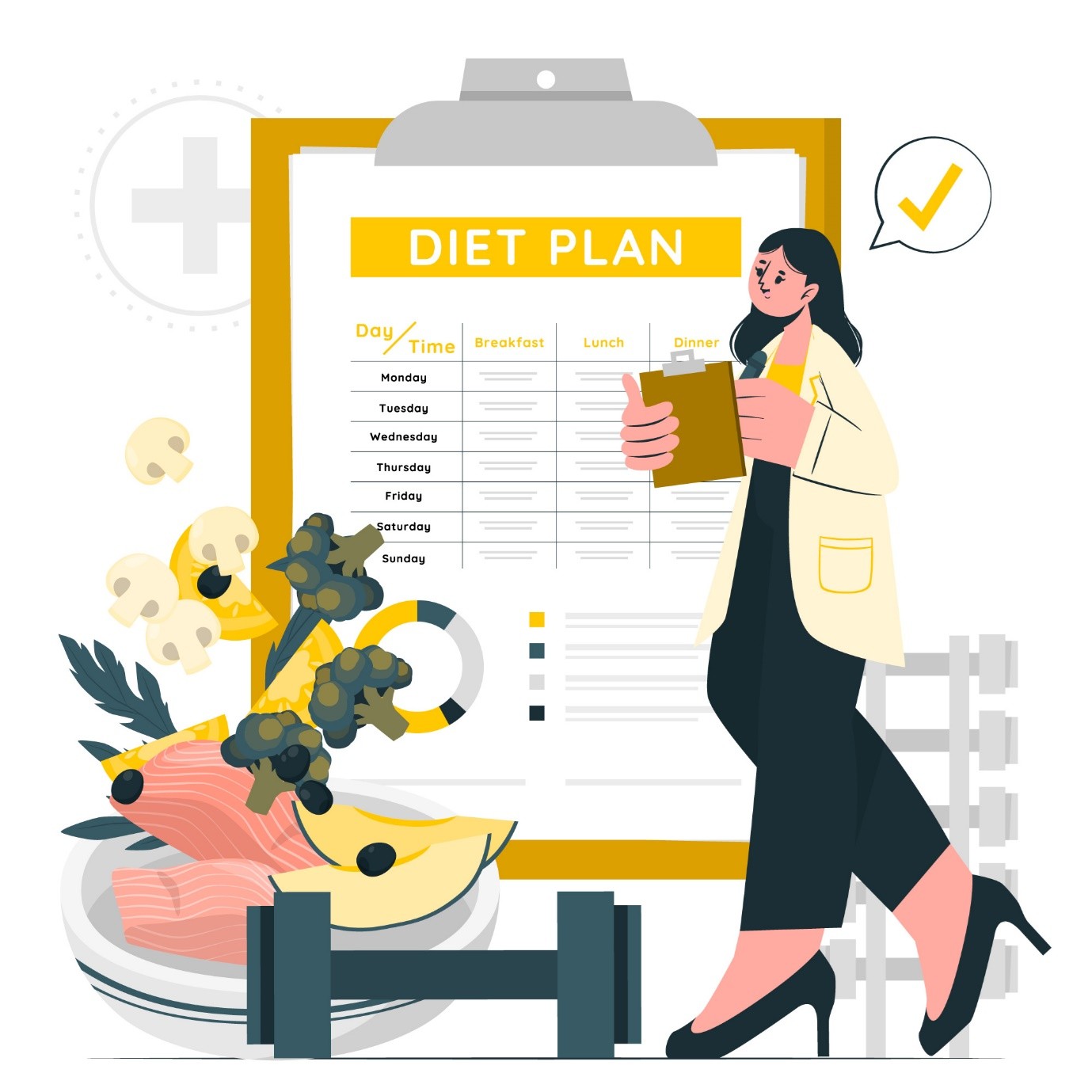
Managing blood sugar levels effectively is vital for people living with diabetes or those looking to prevent it. One of the simplest but most powerful tools for blood sugar control is a balanced diet.
Diet management is essential in preventing Type 2 diabetes from worsening. Studies show that diets rich in fiber and whole grains reduce the risk of diabetes complications and improve blood sugar control[1]. Additionally, balanced diets can improve cholesterol levels and reduce heart disease risks, common concerns for people with diabetes.
What Does a Balanced Blood Sugar Diet Look Like?
A balanced diet for blood sugar control focuses on nutrient-rich foods that help regulate glucose levels while supplying essential vitamins and minerals. Key components include:
- Complex Carbohydrates: These carbs break down slowly, producing steady glucose release. Whole grains like brown rice, oats, quinoa, and whole wheat bread are excellent choices.
- Fiber-Rich Foods: Fiber slows digestion and glucose absorption. Vegetables, fruits with skin, legumes, nuts, and seeds are great sources.
- Lean Proteins: Protein helps maintain muscle and keeps you full longer. Consider chicken, fish, tofu, beans, and low-fat dairy.
- Healthy Fats: Unsaturated fats found in olive oil, avocados, and nuts support heart health and may improve insulin sensitivity.
- Limited Added Sugars and Refined Carbs: Avoid sugary drinks, sweets, and processed foods that cause quick blood sugar spikes.
- Regular Meals and Portion Control: Eating smaller portions more frequently can prevent drastic blood sugar fluctuations.
Foods to Include
- Non-starchy vegetables (e.g., broccoli, spinach, peppers)
- Berries and apples
- Whole grains (e.g., barley, whole wheat pasta, quinoa)
- Legumes (e.g., lentils, chickpeas, black beans)
- Fatty fish (e.g., salmon, mackerel)
- Nuts and seeds (e.g., almonds, chia seeds)
Foods to Avoid or Limit
- White bread, white rice, and pastries
- Sugary drinks like soda and energy drinks
- Highly processed snacks and desserts
- Fried and fast foods
- Excessive salt and saturated fat
The Role of Glycemic Index and Load
The glycemic index (GI) ranks carbs based on how quickly they raise blood sugar. Low GI foods cause a slower, gentler rise, making them preferable for blood sugar control. Moreover, glycemic load (GL) considers not just the type but the amount of carbohydrates eaten. Choosing low-to-moderate GI and GL foods helps maintain steady blood sugar levels[2].
Tips for Everyday Eating
- Fill half your plate with non-starchy vegetables.
- Combine carbs with protein or healthy fats to slow sugar absorption.
- Stay hydrated; limit sugary beverages.
- Plan meals and snacks to prevent overeating or skipping meals.
- Read food labels to identify added sugars and unhealthy fats.
Conclusion
Eating the right types and amounts of food can help stabilize blood sugar, improve energy, and support overall health.
Key Points
- A balanced diet with complex carbs, fiber, lean protein, and healthy fats supports blood sugar control.
- Limit added sugars, refined carbs, and processed foods to avoid blood sugar spikes.
- Use glycemic index and load as guides for food choices.
- Portion control and regular, well-planned meals help stabilize glucose levels.
- Healthy eating reduces the risk of diabetes complications and promotes overall wellness.
References
1. Reynolds AN, Akerman AP, Mann J. Dietary fibre and whole grains in diabetes management: Systematic review and meta-analyses. PLoS Med. 2020;17(3):e1003053. Published 2020 Mar 6. doi:10.1371/journal.pmed.1003053
2. Gerontiti E, Shalit A, Stefanaki K, et al. The role of low glycemic index and load diets in medical nutrition therapy for type 2 diabetes: an update. Hormones (Athens). 2024;23(4):655-665. doi:10.1007/s42000-024-00566-7