



The thyroid gland, a small butterfly-shaped organ located at the base of your neck, plays a huge role in controlling your body’s metabolism and overall health. But when this gland doesn’t work properly, it can lead to thyroid disorders, mainly hypothyroidism or hyperthyroidism. Understanding the differences between these conditions and recognizing their symptoms can help you seek timely treatment and avoid complications.
What is Hypothyroidism?
Hypothyroidism happens when your thyroid gland doesn’t produce enough thyroid hormones. This leads to a slowdown of many body functions, as the hormones that regulate metabolism are insufficient.
Common Symptoms of Hypothyroidism
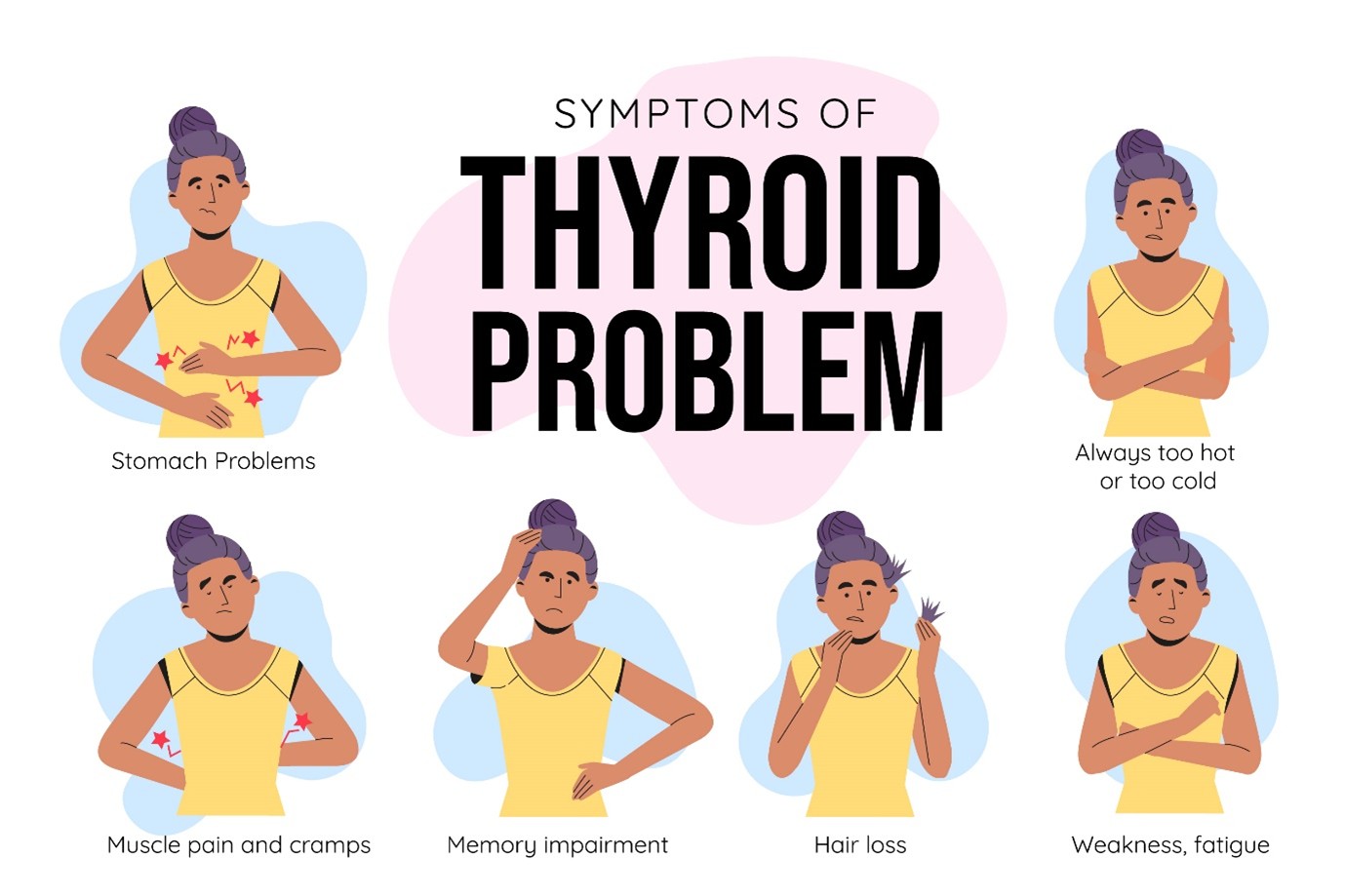
- Feeling unusually tired despite rest
- Weight gain even without changes in diet or exercise
- Feeling cold
- Constipation and dry skin
- Depression or slowed thinking
- Slow heart rate
- Hoarseness or a swollen face
- Muscle cramps and joint pain
- Heavy or irregular menstrual periods
According to the World Health Organization, hypothyroidism affects up to 5% of the global population, with many cases going undiagnosed[1]. It’s particularly common in women and older adults.
What is Hyperthyroidism?
Hyperthyroidism is the opposite – the thyroid produces too much hormone, speeding up metabolism. This causes the body to run in overdrive.
Common Symptoms of Hyperthyroidism
- Unexplained weight loss despite normal or increased appetite
- Rapid or irregular heartbeat
- Nervousness, anxiety, or irritability
- Increased sweating or heat intolerance
- Tremors, especially in the hands
- Frequent bowel movements or diarrhea
- Fatigue or muscle weakness
- Difficulty sleeping
- Enlarged thyroid gland and bulging eyes (in Graves’ disease)
Hyperthyroidism is less common than hypothyroidism, but it can lead to serious heart and bone problems if left untreated. According to a study, the prevalence of hyperthyroidism in Pakistan is 5.1% while that of subclinical hyperthyroidism is 5.8%[2].
How to Tell the Difference?
Though some symptoms, like fatigue, can appear in both, many key signs help distinguish the two:
- Weight changes: Hypothyroidism usually causes weight gain, while hyperthyroidism causes weight loss.
- Temperature sensitivity: Those with hypothyroidism feel cold; hyperthyroid patients often feel hot.
- Heart rate: Hypothyroidism slows it down; hyperthyroidism speeds it up.
- Emotional state: Depression and sluggishness suggest hypothyroidism; anxiety and irritability suggest hyperthyroidism.
Why Early Recognition Matters
Thyroid disorders can be subtle at first and develop gradually. If untreated, hypothyroidism can lead to complications like heart disease, infertility, or in severe cases, myxedema coma. Hyperthyroidism can cause heart rhythm problems, osteoporosis, and thyroid storm — a life-threatening condition.
Routine check-ups and blood tests measuring thyroid hormone levels (TSH, T3, T4) are key to diagnosis. People who notice symptoms or have a family history of thyroid disease should discuss screening with their doctor.
Simple Steps You Can Take
- Be aware of how your body feels and changes over time.
- Note symptoms like unexplained weight shifts, mood changes, or unusual sensitivity to temperature.
- Seek a healthcare professional’s opinion early, especially if symptoms persist or worsen.
- Maintain a balanced diet, manage stress, and exercise regularly to support thyroid health.
Key Points
- Hypothyroidism means your thyroid is underactive; hyperthyroidism means it’s overactive.
- Symptoms of hypothyroidism include fatigue, weight gain, cold intolerance, and depression.
- Symptoms of hyperthyroidism include weight loss, rapid heartbeat, anxiety, and heat intolerance.
- Early recognition and treatment prevent serious complications.
- Blood tests are essential for an accurate diagnosis.
- Consult your healthcare provider if you notice persistent symptoms.
References
1. Chiovato L, Magri F, Carlé A. Hypothyroidism in Context: Where We’ve Been and Where We’re Going. Adv Ther. 2019;36(Suppl 2):47-58. doi:10.1007/s12325-019-01080-8
2. Incidence of thyroid diseases in local population. Accessed May 21, 2025. https://pjmhsonline.com/index.php/pjmhs/article/download/3752/3708.